

 See My Latest Article on HelloNation
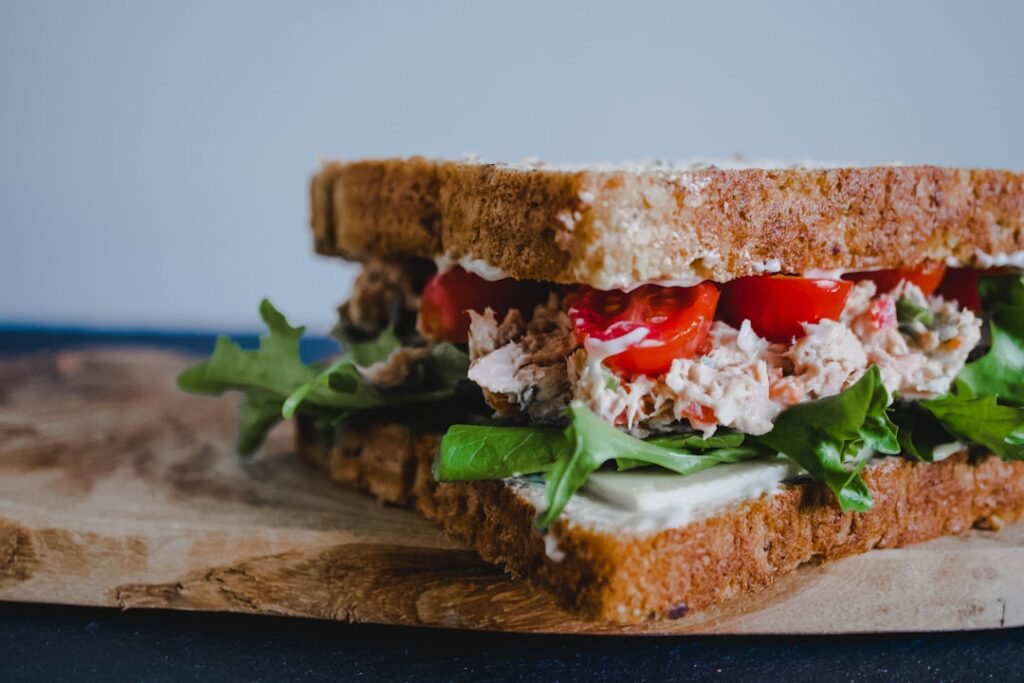
What Makes a Sandwich Ingredient Healthy?
A healthy sandwich ingredient generally adds nutritional value without excessive sodium, saturated fat, or added sugars. Freshness, whole foods, and appropriate portion sizes also matter, especially in a place like New Smyrna Beach, FL, where many residents are active all year and look for meals that fuel local lifestyles.
Nutrient-rich ingredients help balance energy, keep you full, and support overall wellness. Residents preparing meals for a day at the beach, an afternoon of errands, or a picnic at a community park often benefit from sandwiches that keep energy steady instead of causing heavy fatigue.
Which Breads Offer the Best Nutrition?
Whole grain and whole wheat breads usually provide more fiber and nutrients than white bread. This fiber can support digestive health and help manage hunger.
- Whole wheat, oat, or mixed grain breads contain more vitamins and minerals than breads made with refined flour.
- Sourdough made with whole grains combines probiotics and slow-digesting carbs, potentially supporting gut health.
- Wraps or pita made from 100% whole grains can be a lighter option for sandwiches or handheld meals.
Avoiding sweetened breads, croissants, or super soft white options can help reduce empty calories and sugar. Residents in the city who are mindful of blood sugar or cholesterol, such as older adults or those with dietary restrictions, may especially benefit from swapping to multigrain or seeded breads.
Are There Leaner and Healthier Protein Choices?
Healthier protein options provide essential amino acids without excess saturated fat or sodium. For local families or individuals seeking quick, satisfying meals, the following choices often support long-term health:
- Skinless grilled or baked chicken breast
- Roasted turkey breast
- Thinly sliced roast beef (in moderation)
- Tuna packed in water (with minimal mayo or olive oil)
- Plant-based proteins like hummus, mashed beans, tempeh, or tofu
Portion awareness is key; aim for a piece about the size of your palm, and limit highly processed options like salami, bologna, or fatty cured meats which can be high in salt and additives.
What About Cheese and Spreads—Are Any Better for You?
Cheese and spreads can be part of a balanced meal, but some choices offer more nutrition with fewer additives. For the coastal climate, lighter options may also feel less heavy at lunch or after outdoor activities.
Healthier cheeses and spreads
- Sliced mozzarella, part-skim mozzarella sticks, or fresh goat cheese provide flavor with less saturated fat.
- Sharp cheddar and Swiss are more flavorful, so smaller amounts go further.
- Avocado slices or guacamole are rich in heart-healthy fats and fiber.
- Mustard, pesto, or dashes of olive oil as spreads avoid extra sugars or saturated fats found in some commercial mayonnaise.
For anyone watching sodium or calories, using a modest amount and spreading spreads thinly keeps sandwiches more nutritious.
Which Vegetables Add Both Nutrition and Flavor?
Vegetables are a cornerstone of a nutritious sandwich, offering vitamins, minerals, crunch, and color. In New Smyrna Beach, fresh produce is widely available much of the year, either from local gardens, farmers’ markets, or grocers.
Great sandwich vegetables include:
- Leafy greens like spinach, arugula, romaine, or mixed baby lettuce
- Sliced tomatoes, cucumbers, or bell peppers for extra hydration and crunch
- Shredded carrots or beets for color and light sweetness
- Sliced avocado or sprouts for added texture and healthy fats

Some ingredients—like iceberg lettuce—add minimal nutrition compared to darker leafy greens. Creative use of herbs (basil, cilantro) can brighten flavors without added salt or calories.
How Can You Limit Salt, Sugar, and Additives?
Reading ingredient labels and preparing ingredients at home are two ways local residents can limit excess sodium, sugar, and preservatives. Shop in the city’s grocery stores for whole ingredients, and try to minimize pre-packaged deli meats and processed cheeses.
Tips for minimizing unwanted additives:
- Ask for meats and cheeses “naked” or with minimal added seasoning.
- Look for “no added sugar” or “low sodium” labels when selecting bread and spreads.
- Use vinegar or citrus (like lemon juice) as a topping for extra flavor without salt.
Making simple swaps can often help align sandwiches better with health and wellness goals.
Are There Seasonal or Local Factors to Consider?
The climate and lifestyle in New Smyrna Beach naturally influence ingredient choices. With the region’s humidity and tendency for outdoor meals, perishable items should be handled with care:
- In warmer months, prioritize fresh produce and lean proteins that hold up well in the heat.
- Pack sandwiches with ingredients like cucumbers, tomatoes, greens, or roasted vegetables, which keep their texture and safety for a few hours without refrigeration.
- Hydrating veggies and lighter bread options can help residents feel energized on hot days.
Those spending lots of time outdoors should consider food safety guidelines—keeping sandwiches in cooler bags prevents spoilage and keeps meals safe for longer excursions in parks, at the beach, or while boating.
What Are Some Common Misconceptions About Sandwiches and Health?
Some local residents believe all sandwiches are unhealthy or overly heavy. The reality is that thoughtfully chosen ingredients can create a filling, nutritious meal. Not every sandwich needs to be loaded with processed meats or extra spreads; even traditional lunch sandwiches can be easily improved with small swaps.
Other misconceptions include the idea that “low-fat” or “gluten-free” automatically means healthier. For most people, whole-food ingredients, balanced nutrition, and rinsing or draining proteins (such as tuna or beans) are more important than blanket restrictions.
For those preparing food for children, older adults, or anyone with allergies, individualized choices matter—opting for seeds instead of nuts, or minimizing spicy spreads, can help make sandwiches more accessible for everyone in the household.