

 See My Latest Article on HelloNation
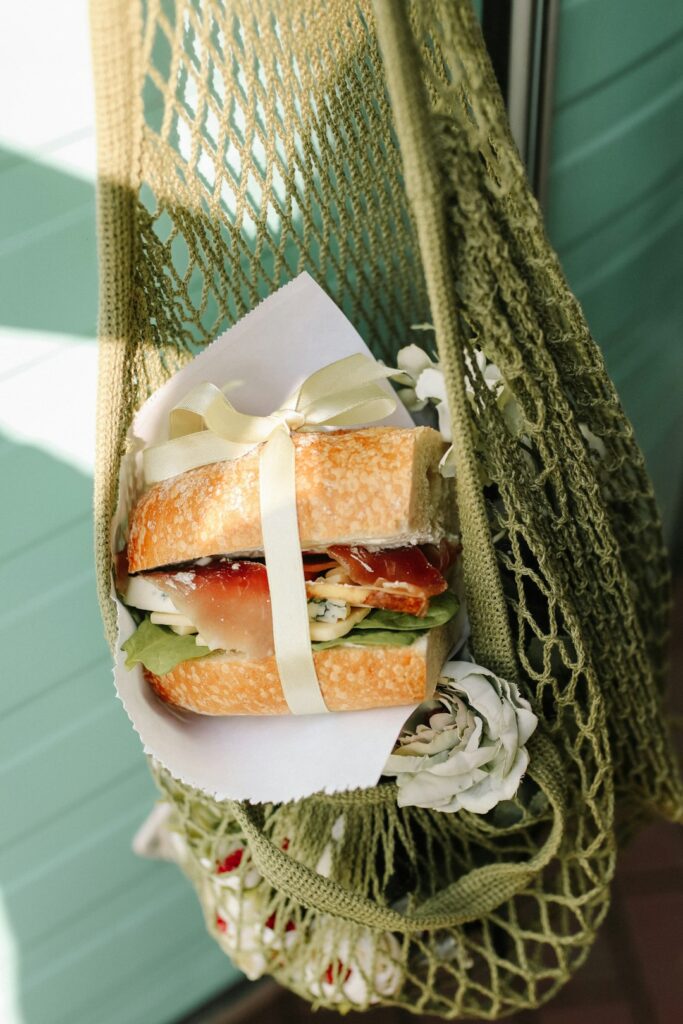
How Can Leftovers Become the Foundation for Satisfying Sandwiches?
Leftovers are a common part of life for area households, especially after family gatherings or large meals. They can offer both convenience and a challenge: how to turn yesterday’s dinner into something appetizing today. Sandwiches are a highly adaptable way to use up cooked meats, vegetables, cheeses, and even grains, allowing for quick lunches or easy beach-day meals. Residents often find that transforming remnants into sandwiches not only reduces food waste but also adds variety to weekly home menus.
What Types of Leftovers Work Best in Sandwiches?
Almost any cooked or prepared food can be repurposed as a sandwich ingredient. The key is considering both taste and texture. Some leftovers commonly used in local kitchens include:
- Roasted or grilled meats, such as chicken, turkey, pork, or beef
- Cooked vegetables, especially roasted or grilled options
- Fish like baked snapper, grilled mahi, or blackened leftovers
- Cheeses—sliced, shredded, or even crumbled bits
- Beans, rice, and seasoned grains
- Hard-boiled or scrambled eggs
Soft or saucy foods, such as stews or casseroles, may need to be drained or combined with a “base” (like a toasted bread layer or leafy greens) to prevent sogginess.
What Are Simple Methods to Build Flavorful Sandwiches from Leftovers?
Successful sandwiches depend on thoughtful layering. Start with a sturdy bread, wrap, pita, or roll. Consider toasting bread or using hearty options like ciabatta or baguettes for moist fillings. From there:
- Spread a thin layer of condiments—mayonnaise, mustard, vinaigrette, pesto, or hummus—to add moisture and flavor
- Use greens (spinach, lettuce, arugula) or herbs (basil, cilantro) to create freshness and contrast
- Incorporate crunch with sliced cucumbers, bell peppers, or pickles
- Layer thin slices of meat or chopped vegetables for even distribution
- Add cheese, whether as a main component or a background accent
Combining textures is key—crunchy, creamy, and chewy elements together are often more satisfying.
Are There Creative Combinations that Reflect Local Tastes?
Residents often use seafood, citrus, and fresh produce reflective of the city’s coastal climate. Some examples that suit local preferences include:
- Blackened fish or crab cakes with slaw on a soft roll
- Leftover grilled chicken with orange segments, leafy greens, and a citrus-mayo on multigrain bread
- Roasted vegetables with goat cheese and arugula in a pressed panini
- Grilled steak, sautéed onions, and sharp cheddar folded into a pita
- BBQ pork topped with pickled vegetables for a tangy handheld meal
Using local greens, tomatoes, or avocados in season enhances flavor and quality.
How Can Sandwiches Be Made Healthier Using Leftovers?
Sandwiches offer a chance to balance out richer leftovers with wholesome additions. Consider these practical strategies:
- Add extra vegetables such as spinach, grilled eggplant, or peppers
- Use whole grain breads or wraps for additional fiber
- Spread avocado or hummus rather than mayonnaise for healthier fats
- Pair with slaw made from cabbage or carrots for a fresh crunch
Use moderation with high-sodium or creamy leftovers. Portioning heavier fillings between lighter components—like lettuce wraps or open-faced bread slices—can help balance the meal.

What Food Safety Considerations Should Residents Keep in Mind?
Coastal climates can warm up kitchens quickly, so food safety is important when repurposing leftovers. General guidelines include:
- Only use leftovers stored within two hours of cooking and cooled to refrigerator temperature
- Ideally, consume refrigerated leftovers within 3–4 days
- Reheat proteins and cooked fillings to at least 165°F, if serving hot
- Use chilled ingredients directly from the refrigerator for cold sandwiches, keeping perishables like mayo and seafood below 40°F until serving
- Transport sandwiches in a cooler with ice packs for beach outings or picnics
Avoid sandwiching raw and cooked leftovers together unless both were stored safely and are consumed right away.
What Are Common Mistakes When Using Leftovers in Sandwiches?
Some frequent missteps can lead to soggy, bland, or unappealing results. Common pitfalls:
- Overloading bread beyond its capacity, causing fillings to spill out
- Using bread that’s too soft for moist or greasy leftovers
- Neglecting to spread condiments or create a moisture barrier between fillings and bread
- Failing to cut large pieces of protein or veggies into even, bite-sized portions
With a little planning, sandwiches can highlight leftovers instead of muddling them together.
How Can Area Residents Involve Family Members in Sandwich Preparation?
Making sandwiches from leftovers can be both practical and social, especially for families. Area residents often involve children or partners by:
- Setting out “make-your-own” sandwich stations with assorted bread, condiments, and chopped leftovers
- Encouraging kids to choose fillings and build their own sandwiches; a great way to use up smaller amounts of a variety of foods
- Sharing stories or memories related to the original meal while preparing sandwiches
Bringing in family members often keeps meals more varied, creative, and enjoyable while reducing waste.