

 See My Latest Article on HelloNation
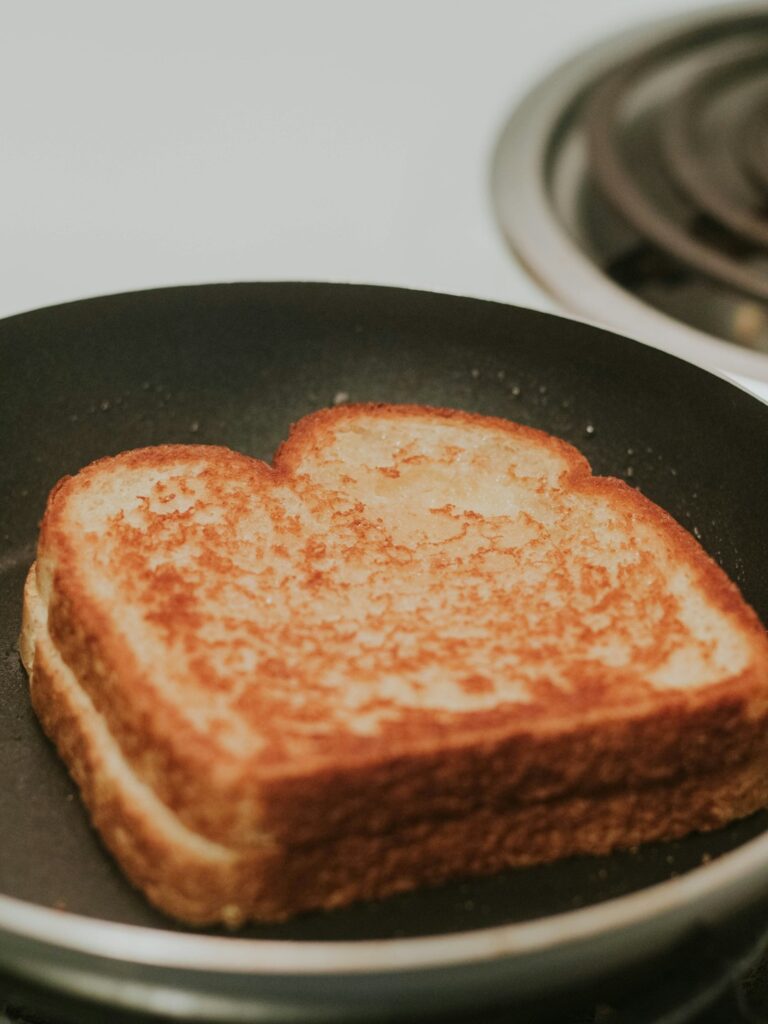
Toasting a sandwich without a panini press is simple with a skillet, griddle, oven, or even a covered baking sheet. The key is using moderate heat, keeping the bread from drying out, and applying gentle pressure so the filling warms before the outside becomes too dark.
What is the easiest method for toasting a sandwich?
A covered skillet is usually the most practical method for one or two sandwiches. It gives the bread direct contact with heat while the lid helps warm the center.
You will need:
- A heavy skillet or frying pan
- A small amount of butter, oil, or mayonnaise for the bread
- A spatula
- A lid, baking sheet, or heat-safe plate for covering the pan
Spread a thin layer of fat on the outside of the bread. Place the sandwich in a skillet over medium-low heat. Cover it and cook for about three to five minutes per side, pressing gently with the spatula once or twice.
The sandwich is ready when the bread is golden and crisp, the cheese has softened or melted, and the filling is heated through.
Medium-low heat works better than high heat. High heat can brown the bread quickly while leaving cold ingredients in the middle.
How do you toast a sandwich in a skillet?
Start with a preheated skillet, but do not let it become smoking hot. A cast-iron, stainless-steel, or nonstick skillet can work well.
Butter, oil, or mayonnaise may be spread on the outside of the bread. Each produces a slightly different result:
- Butter gives a familiar toasted flavor and even browning.
- A small amount of oil helps crisp the bread without adding much moisture.
- Mayonnaise spreads easily and can produce a deeply browned surface, but only a thin coating is needed.
Place the sandwich in the pan and let it cook undisturbed for two to three minutes. Lift one corner to check the color. If the bread is browning too quickly, lower the heat.
Flip the sandwich carefully. Cover the skillet again so the trapped heat can warm the inside. For thick sandwiches, press lightly with a spatula rather than flattening aggressively. Excessive pressure can force cheese, sauces, or hot fillings out of the bread.
Can a sandwich be toasted in the oven?
Yes. The oven is useful for several sandwiches at once or for fillings that need more time to heat.
Preheat the oven to about 375°F. Assemble the sandwich and place it on a baking sheet. For crisp bread, leave the sandwich uncovered. For softer bread and a warmer center, loosely cover it with foil for the first part of cooking, then remove the foil near the end.
Most sandwiches need approximately eight to twelve minutes, depending on their thickness. Turn the sandwich halfway through if both sides need to crisp.
An oven is especially helpful for sandwiches containing dense ingredients such as sliced chicken, meatballs, roasted vegetables, or thick layers of cheese. Cutting a large sandwich in half before heating can also help the center warm more evenly.
Avoid placing delicate leafy greens inside before oven toasting. Lettuce, cucumber, and some fresh herbs can wilt or become watery. Add them after the sandwich is heated.
What is the best way to use a toaster oven?
A toaster oven can toast the exterior efficiently, but sandwiches should be arranged carefully so fillings do not drip onto the heating elements.
Place the sandwich on a small baking tray or wire rack designed for the appliance. Use a moderate setting rather than the highest broil setting. Watch closely during the final few minutes because small ovens can brown bread quickly.
If using a cheese-filled sandwich, keep the cheese inside the bread instead of placing it directly on the rack. Melted cheese can drip, smoke, and become difficult to clean.
For an open-faced sandwich, use the broiler briefly. Keep the tray several inches away from the heating element and remain nearby. Broiling can change bread from lightly browned to burned in less than a minute.
Can you toast a sandwich on a griddle or baking sheet?
A griddle works much like a wide skillet and is convenient for multiple sandwiches. Preheat it over medium-low heat, grease the bread lightly, and cook each side until browned.
For a baking-sheet method, place the assembled sandwiches on one sheet and cover them with a second sheet or another heavy oven-safe pan. This adds gentle pressure without requiring a panini press. Bake at about 375°F, checking after eight minutes.
The upper baking sheet should be stable and clean. Do not use a material that could melt, release coatings, or become unsafe in the oven. A sheet pan or heavy oven-safe dish is more suitable than a plastic tray.
This method is useful for households preparing several lunches at once, particularly when the kitchen is warm and stovetop cooking feels less comfortable during humid weather in New Smyrna Beach.
How do you keep the bread from burning?
The most reliable approach is moderate heat and frequent visual checks. Bread color is a better guide than the clock because slices differ in thickness, moisture, and density.
Use these adjustments if the outside is browning too quickly:
- Lower the heat to medium-low.
- Cover the pan to warm the inside more gradually.
- Use less butter or oil.
- Choose thicker bread for fillings that require longer heating.
- Let refrigerated ingredients sit briefly before assembly when food-safety conditions allow.
- Cut a thick sandwich in half so heat reaches the center more easily.

Bread with a high sugar content can brown faster than plain sandwich bread. Very thin slices also require less cooking time and may become brittle under pressure.
Which fillings toast well, and which should be added afterward?
Cheese, cooked meats, roasted vegetables, mushrooms, and cooked beans generally toast well. These fillings benefit from direct heat and become more cohesive as the sandwich warms.
Fresh ingredients are often better added after toasting:
- Lettuce
- Thin cucumber slices
- Fresh tomato
- Avocado
- Delicate herbs
- Cold pickles, if a crisp texture is preferred
Tomatoes can release water as they heat, making the bread soggy. If using tomato inside the sandwich, pat the slices dry and place them between less absorbent ingredients, such as cheese and cooked filling.
Sauces also affect texture. Thick sauces are less likely to soak through the bread, while watery dressings may make the sandwich soft. Spreading sauce thinly and keeping it away from the edges can help.
Is pressing necessary?
No. Pressing is optional and should be light. Gentle pressure improves contact between the bread and the cooking surface, helping the sandwich brown evenly.
A heavy object can flatten the filling, squeeze out melted cheese, and make the bread dense. If a flatter sandwich is desired, use a spatula or a covered pan rather than applying force continuously.
For a sandwich with delicate layers, simply covering the skillet may provide enough heat circulation without pressing at all.
How can you toast a sandwich safely?
Use cooked, ready-to-eat fillings unless the recipe specifically calls for cooking raw ingredients separately. Toasting bread does not guarantee that raw meat, poultry, or seafood will reach a safe internal temperature.
Handle hot sandwiches with a spatula or tongs, especially when cheese or sauces are melted. Let the sandwich rest for one or two minutes before eating so the filling is less likely to spill and the heat can distribute through the center.
In a warm, humid coastal climate, avoid leaving sandwiches with meat, cheese, or other perishable fillings at room temperature for extended periods. Refrigerate leftovers promptly, and reheat only the portion that will be eaten.
A skillet, oven, toaster oven, or covered baking sheet can all produce a crisp, warm sandwich without specialized equipment. The best method depends on the number of sandwiches, the thickness of the filling, and whether the goal is a lightly toasted exterior or a fully melted center.