

 See My Latest Article on HelloNation
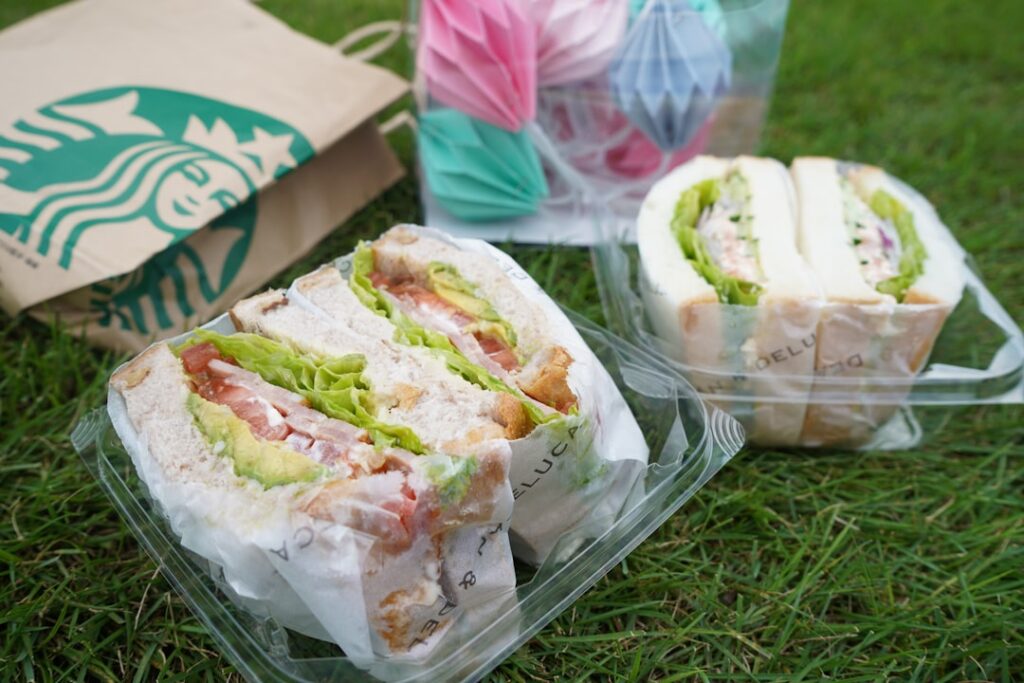
Why Prepare Sandwiches Ahead in New Smyrna Beach, FL?
Meal prepping sandwiches offers area households extra convenience, especially for busy weeks when daily meal assembly can feel overwhelming. By preparing sandwiches in advance, residents can enjoy ready-to-eat lunches or snacks—suitable for the laid-back coastal lifestyle and outdoor activities that are popular in this community. Additionally, prep-ahead sandwiches help reduce food waste and save time, making them a practical option for both individuals and families.
Which Sandwich Types Work Best for Meal Prepping?
Not every sandwich holds up well in advance preparation, especially in humid or warm climates common throughout much of the year locally. For best results, choose filling and bread combinations that maintain taste and texture:
- Deli meats and hard cheeses (like turkey, ham, Swiss, or cheddar) on hearty bread (multigrain, sourdough, or ciabatta)
- Nut butter with jelly or honey on whole wheat or sandwich rolls
- Hummus with roasted vegetables on pita or wrap-style flatbread
- Chicken or tuna salad with crisp lettuce layers to separate moisture from bread
- Roasted vegetable and cheese wraps
Avoid pre-assembling sandwiches that feature delicate produce (like tomatoes or cucumbers), soft breads, or spreads with high moisture content unless storing the wet ingredients separately until ready to eat.
What’s the Safest Way to Prep and Store Sandwiches?
To prevent sogginess and preserve freshness, assembling sandwiches with food safety in mind is essential, particularly since refrigeration might be limited at times for beach outings or during power interruptions from tropical weather systems. Here’s a trusted approach:
- Keep bread and fillings separate for as long as possible if making several days ahead.
- Layer moisture barriers: Place cheese or leafy greens between the bread and wetter ingredients, like meats or spreads, to slow down bread sogginess.
- Wrap sandwiches individually using parchment or wax paper, then store in airtight containers or reusable sandwich bags.
- Refrigerate immediately; most prepped sandwiches last safely for 3–5 days in the coldest part of the fridge.
- For longer storage: Avoid freezing high-water-content fillings. Opt for drier combinations like peanut butter or cured meats if batch-freezing sandwiches.
How Can Residents Adapt Sandwich Prep for Beach Days or Outdoor Activities?
With the city offering easy access to parks and shoreline, many residents want sandwiches that travel well and stay fresh outdoors. Some locally suited tips include:
- Use insulated, waterproof coolers with ice packs for transport.
- Pack sandwiches in leak-proof containers to limit sand and moisture exposure.
- Consider making wraps or pita pockets, which tend to be less prone to falling apart or becoming soggy.
- Wait to add sauces, dressings, or watery vegetables until just before eating. Carry these separately in small containers.
Which Ingredients Stay Freshest in Humid or Warm Weather?
The region's humidity impacts how food keeps outdoors and even in home kitchens without constant air conditioning. Residents often find these ingredients hold up well in lunches:
- Crisp greens (like romaine or spinach) instead of soft leaf lettuce
- Hard cheeses (such as provolone or gouda)
- Roasted or raw vegetables with low moisture (bell peppers, shredded carrot)
- Oven-roasted meats rather than mayo-heavy salads
- Tortillas, ciabatta, or dense sandwich rolls, which withstand humidity better than soft white bread
Generally, limit ingredients like mayonnaise, sliced tomatoes, and cucumbers in sandwiches that will be away from refrigeration for extended periods.

Can You Meal Prep Vegetarian or Vegan Sandwiches Successfully?
Vegetarian and vegan options are just as suitable for make-ahead meals. For plant-based sandwiches that hold up well:
- Use hummus, bean spreads, or nut butters for protein and texture.
- Layer roasted vegetables, greens, and pickled onions between sturdy bread or wrap.
- Add drained artichoke hearts, olives, or marinated tofu for variety.
- Keep avocado and other softer produce separate, adding it just before eating to prevent browning and mushiness.
How Do You Keep Sandwiches Interesting Over the Week?
Even with prepping, sandwiches shouldn’t have to feel repetitive. Area residents often rotate fillings and spreads or swap bread types for variety:
- Try swapping whole wheat bread for pita, wraps, or baguette.
- Alternate deli meats, cheeses, or vegetarian spreads throughout the week.
- Include small sides (like crunchy vegetables, olives, or fruit) to create a complete meal box.
- Use local produce in season for extra flavor and freshness.
Encouraging kids or other family members to choose their own combinations can also make weekly meal prep more engaging and suited to different tastes.
What Are Common Mistakes When Prepping Sandwiches for Several Days?
A few pitfalls can make advance sandwich prep less satisfying:
- Overfilling sandwiches so bread splits or fillings leak
- Using high-moisture veggies without protection or separation, leading to mushy texture
- Not monitoring fridge temperature or leaving sandwiches out at room temperature too long, which risks food safety
- Forgetting to label and date containers, making it hard to know which sandwiches should be eaten first
Addressing these common issues can help ensure meal-prepped sandwiches are both appealing and safe to eat throughout the week.