

 See My Latest Article on HelloNation
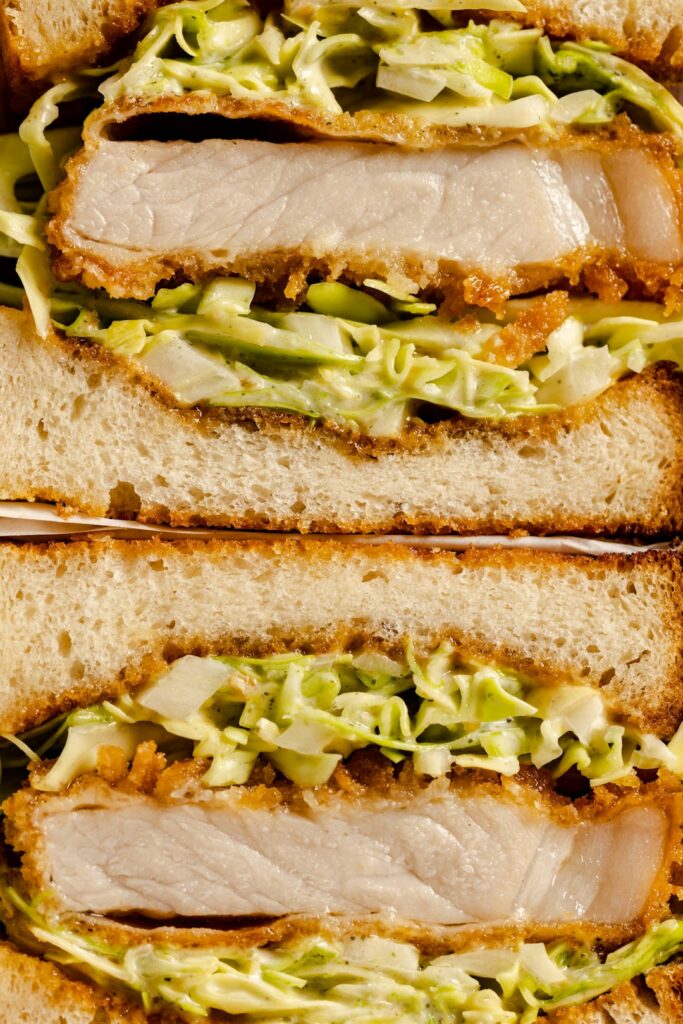
Sandwiches do not need unusual ingredients to become more interesting. A crisp topping can add contrast to soft bread, tender fillings, creamy spreads, and melted cheese. In a warm coastal climate, crunchy ingredients also offer a refreshing change in texture, especially when a sandwich is packed for work, school, beach days, or an outdoor meal.
What makes a crunchy sandwich topping work?
A good crunchy topping should add texture without making the sandwich difficult to eat. The most useful choices are small, thin, or finely chopped ingredients that can be spread evenly through each bite.
Crunch also works best when it balances the rest of the sandwich:
- Creamy fillings benefit from something crisp and fresh.
- Salty meats pair well with lightly sweet or acidic toppings.
- Rich cheeses need a topping with brightness or a clean snap.
- Soft vegetables can be combined with toasted or roasted ingredients for contrast.
Moisture matters as much as flavor. Ingredients with a lot of water can soften bread quickly, while dry toppings may scatter or feel harsh. For sandwiches that will sit for more than a few minutes, place moisture-heavy ingredients between sturdier layers such as cheese, lettuce, or meat.
Which unexpected toppings add the most crunch?
Several ingredients outside the usual lettuce-and-pickle combination can bring useful texture.
Toasted seeds
Sunflower seeds, pumpkin seeds, sesame seeds, and hemp hearts can be sprinkled over mayonnaise, mustard, hummus, or avocado. Toasting deepens their flavor and makes a small amount noticeable.
Sunflower seeds work well with turkey, chicken salad, tuna, and roasted vegetables. Pumpkin seeds are especially good with spicy spreads, beans, or grilled chicken. For easier eating, choose smaller seeds or crush larger ones slightly before adding them.
Crispy fried onions
Fried onions provide concentrated savory flavor and a delicate crunch. They can be used with roast beef, pulled pork, egg salad, or a simple cheese sandwich. Because they are dry and lightweight, they are useful for packed sandwiches, although they should be added just before eating if possible.
A small handful is usually enough. Too many can overpower mild fillings and make the sandwich difficult to bite cleanly.
Shredded cabbage
Raw green cabbage, red cabbage, or a blend of both gives sandwiches a firm, fresh crunch that lasts longer than delicate lettuce. Thinly slice the cabbage so it does not push the filling out of the bread.
Cabbage works with barbecue-style fillings, grilled fish, chicken, tofu, and roasted vegetables. A light dressing made with vinegar, citrus juice, or yogurt can turn it into a quick slaw. Keep the slaw lightly dressed when the sandwich needs to travel.
Apple or pear slices
Thin slices of apple or firm pear add crispness, mild sweetness, and moisture without requiring a pickle or relish. They pair particularly well with sharp cheese, turkey, chicken, ham, and nut-free seed spreads.
For a less sweet result, use a tart apple and pair it with mustard or a savory cheese. Slice the fruit shortly before assembling the sandwich. A small amount of citrus juice can slow browning, but too much liquid may soften the bread.
Radishes
Radishes offer a clean, peppery crunch. Thin rounds are easy to layer, while matchsticks distribute the texture more evenly. They work with egg salad, cream cheese, hummus, tuna, roast chicken, and avocado.
Watermelon radishes or other colorful varieties can make a sandwich more visually appealing, but ordinary red radishes are just as effective. Pat them dry before adding them so excess moisture does not collect inside the bread.
Pickled vegetables beyond cucumbers
Pickled carrots, green beans, onions, jalapeños, cabbage, or daikon can add both crunch and acidity. The sharpness helps cut through rich fillings such as fried chicken, cheese, mayonnaise-based salads, and fatty meats.
Drain pickled vegetables well. If they are especially wet, place them on a paper towel briefly before assembling the sandwich. This preserves their texture and prevents a soggy bottom slice.
Can nuts and seeds be used safely?
Nuts can add substantial crunch, but they require careful consideration in shared kitchens, classrooms, workplaces, and gatherings. Chopped almonds, peanuts, cashews, or walnuts may be appropriate for some households but unsafe for others.
If allergies are a concern, use toasted seeds instead. Sunflower seeds and pumpkin seeds provide a similar roasted quality without relying on tree nuts or peanuts, although individual dietary needs should still be respected. Clearly separating ingredients is especially helpful when preparing multiple sandwiches.
Chop nuts finely rather than leaving them in large pieces. Smaller pieces are easier to distribute and less likely to fall out with the first bite.
What toppings hold up best in warm, humid conditions?
For meals prepared ahead of time, sturdy toppings are generally more dependable than delicate ones. Shredded cabbage, radishes, pickled vegetables, toasted seeds, and fried onions tend to maintain their texture better than thin cucumber slices or heavily dressed greens.
In New Smyrna Beach, FL, warm conditions can make food warm quickly during outdoor activities or transportation. Use an insulated lunch bag with a cold pack for sandwiches containing meat, eggs, dairy, or seafood. Keep crunchy toppings separate when practical and add them shortly before eating.
A useful packing method is to place the filling in a container, carry dry toppings in a small sealed compartment, and assemble the sandwich at mealtime. This is particularly helpful for slaws, fried onions, seeds, and sliced fruit.

How can crunch be added without making a sandwich messy?
The easiest approach is to control the size, moisture, and placement of the topping.
- Use thin slices or small pieces.
- Drain or pat dry wet ingredients.
- Spread toppings evenly instead of piling them in one spot.
- Add a barrier of cheese, lettuce, or meat between wet ingredients and the bread.
- Toast the bread lightly when a firmer structure is needed.
- Avoid combining several loose toppings unless one ingredient helps hold them in place.
A spread can also act as an anchor. Hummus, cream cheese, avocado, egg salad, and thick mustard help seeds, chopped nuts, and small vegetable pieces stay where they belong.
Are crunchy toppings always better than lettuce?
No. Crunch is only useful when it supports the sandwich. Lettuce offers lightness and freshness, while cabbage, radishes, seeds, and fried onions provide stronger texture. Some fillings need a mild topping so their flavor remains central.
A delicate sandwich may need only a few radish slices or a sprinkle of seeds. A rich sandwich can handle several contrasting elements, such as shredded cabbage with pickled onions. The goal is balance rather than maximum crispness.
Simple combinations to try
These combinations show how unexpected toppings can fit familiar sandwich styles:
- Turkey, sharp cheese, apple slices, and mustard
- Tuna salad, radishes, shredded cabbage, and black pepper
- Hummus, roasted vegetables, pumpkin seeds, and pickled onions
- Chicken salad, sunflower seeds, celery, and a few dried cranberries
- Egg salad, fried onions, radishes, and whole-grain bread
- Roast beef, horseradish spread, pickled carrots, and cabbage
- Grilled cheese, thin pear slices, and toasted sesame seeds
The most reliable crunchy topping is usually the one that matches the sandwich’s strongest flavor while adding a different texture. Start with a small amount, taste the combination, and adjust the balance rather than covering the filling completely.