

 See My Latest Article on HelloNation
What Makes a Grilled Sandwich Distinctive?
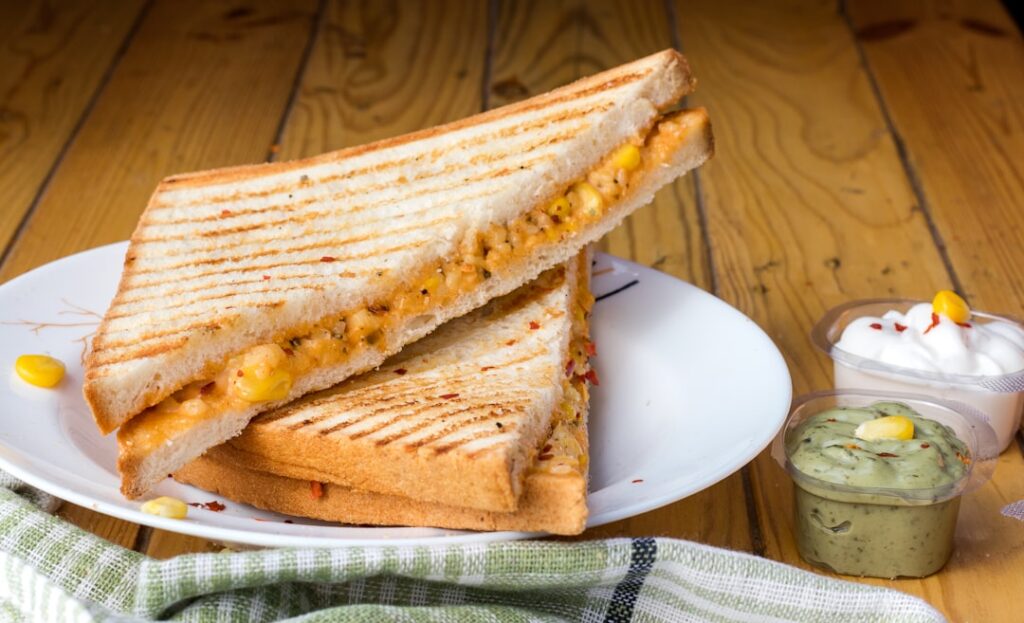
A grilled sandwich is defined by bread that’s toasted using heat and pressure, resulting in a crisp, golden exterior and a warm, flavorful filling. Unlike cold sandwiches, grilling transforms ingredients—melting cheese, blending flavors, and adding texture. Commonly, a grill pan, skillet, or electric press is used, making these sandwiches approachable for home cooks in the relaxed, coastal atmosphere of New Smyrna Beach.
Grilled sandwiches can range from simple cheese-and-bread creations to more elaborate combinations with meats, vegetables, and spreads. The technique brings out toasted notes in bread while ensuring fillings are heated through, which can be especially appealing during humid or breezy conditions when something hearty and warm is desired.
What Types of Bread Work Best for Grilling?
Thicker, heartier breads stand up well to grilling, offering both structure and flavor. Soft sandwich loaves may become soggy or fall apart under high heat and pressure. Many residents favor:
- Sourdough or country-style loaves for crunch and tang
- Ciabatta or baguette for crispness and chew
- Rye or multigrain for nutty flavors and structure
For those who prefer lighter options, whole wheat or gluten-free breads can also be grilled with care, though thinner slices may need gentle handling to prevent burning.
How Can You Get a Crispy Exterior Without Overcooking the Inside?
Achieving a balanced grilled sandwich starts with moderate, even heat and patience. Spreading a thin layer of butter, mayonnaise, or even olive oil on the outer bread helps create a deep golden crust by encouraging even browning. In homes near the Atlantic, where humidity can affect food texture, a crisp exterior is especially prized for its satisfying contrast to warm, creamy fillings.
Tips for consistent results:
- Use medium heat to prevent burning before the insides are heated
- Preheat the skillet or press so the sandwich cooks evenly
- Avoid overloading with fillings; too much moisture hinders toasting
- Apply gentle pressure if using a skillet by pressing with a spatula
What Ingredients Pair Well for Locally Inspired Grilled Sandwiches?
New Smyrna Beach’s local tastes often reflect both comfort classics and coastal freshness. Ingredients commonly available in area households can become grilled sandwich staples, including:
- Sliced turkey, roast chicken, or ham
- Locally caught fish (such as mild white varieties) for a regional twist
- Leafy greens or tomato slices for brightness
- Cheeses like cheddar, mozzarella, Swiss, or provolone for melt and flavor
Residents sometimes incorporate seasonal produce from neighborhood markets, such as roasted peppers, sautéed onions, or fresh avocado, to personalize their sandwiches for different times of year.
Are Grilled Sandwiches a Practical Option for Families and Groups?
Grilled sandwiches are practical for family meals or gatherings, as they are quick to prepare and easy to customize. In the city’s many homes with outdoor patios or screened porches, grilling sandwiches can also be a social activity—using tabletop presses or cast iron pans to make multiple variations at once.
For larger groups:
- Prepare filling ingredients (sliced meats, cheeses, vegetables) ahead of time
- Set up a sandwich-making station so everyone can assemble their own
- Grill in batches; keep finished sandwiches warm in a low oven until serving
This approach fits the laid-back, communal vibe often enjoyed by local residents, whether for a casual weekend lunch or a light dinner after a day out by the water.
Can Grilled Sandwiches Be Made Healthier Without Sacrificing Flavor?
It’s entirely possible to prepare healthier grilled sandwiches by choosing lighter fillings and using less butter or mayonnaise. Popular alternatives include:
- Whole grain bread for added fiber
- Lean proteins, like grilled chicken or tofu
- Plenty of fresh vegetables such as spinach, mushrooms, or zucchini
- Olive oil spray instead of traditional spreads
Residents mindful of sodium or fat can select reduced-sodium cheeses and lower-salt meats, though grilling will still deliver plenty of flavor through browning and caramelization.

What Are Common Mistakes and Misconceptions Locally?
Area households sometimes rush grilling, leading to burnt outsides with cool interiors. Another misconception is that gourmet results require specialty appliances, when a sturdy skillet and medium heat often suffice.
Other overlooked factors:
- Overfilling leads to contents spilling out and uneven cooking
- Not preheating the pan can cause sticking or soggy results
- Skipping the spread on the bread’s exterior reduces crispness
In the warm climate, it’s a good idea to grill only what will be eaten promptly. Leftover grilled sandwiches are best enjoyed fresh, as reheating may make bread tough.
What Are Some Grilled Sandwich Ideas for Seasonal Enjoyment?
Throughout the year, different ingredients may be more appealing due to climate or availability. For example:
- In cooler months, try melted brie with apples, or ham and Swiss with grainy mustard.
- During summer, lighter fare like grilled tomato, basil, and mozzarella delivers freshness without heaviness.
Local residents who fish may enjoy using grilled fillets with tartar sauce and lettuce inside crusty bread—a coastal take with local character.
What Equipment Is Needed to Start Grilling Sandwiches at Home?
Most homes already have what’s needed. A nonstick skillet, griddle, or cast iron pan are top choices for stovetop grilling. Electric sandwich presses can simplify the process but aren’t required.
Recommended essentials:
- Medium or large skillet (nonstick or cast iron)
- Spatula for pressing and turning
- Butter, oil, or mayonnaise to coat bread
Optional, for larger gatherings:
- Electric grill or sandwich press for increased capacity
- Bread knife for clean slicing
- Oven for keeping sandwiches hot until ready to serve
Residents with limited kitchen space can still make excellent grilled sandwiches using a stovetop method.