

 See My Latest Article on HelloNation
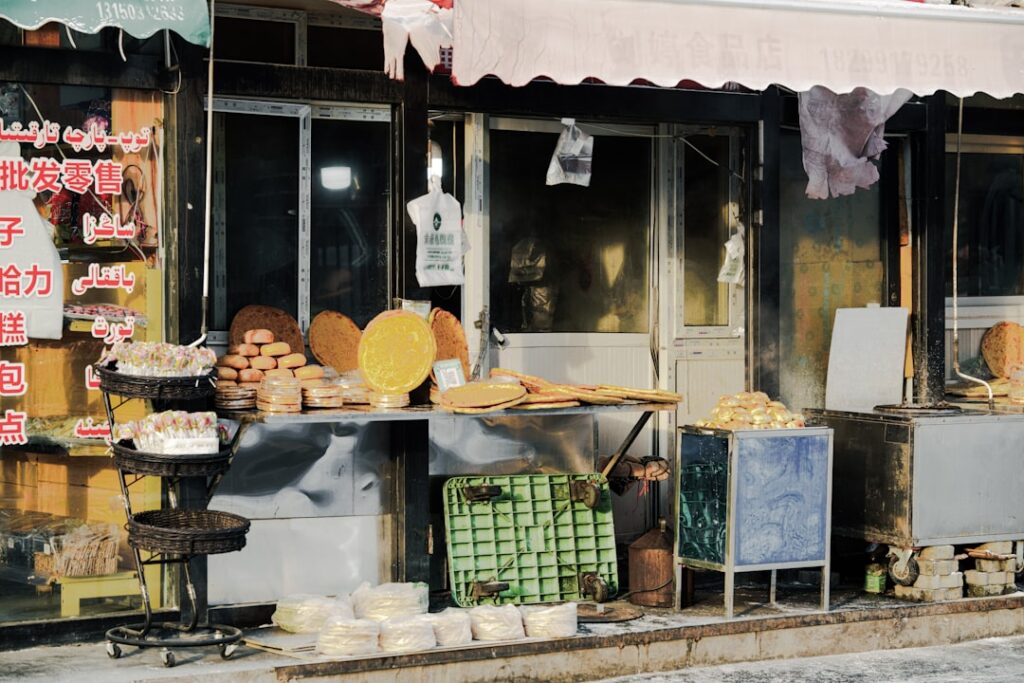
What Makes a Regional Sandwich Unique?
A regional sandwich reflects the local flavors, customs, and resources of a particular area. These sandwiches often develop from regional ingredients, historical influences, and everyday household needs. While many people enjoy classic options, such as turkey on whole wheat or a simple PB&J, every culture has its own take on how to fill bread and make a meal portable, satisfying, and special.
In coastal towns like New Smyrna Beach, many households are familiar with sandwiches as convenient, hearty food—perfect for packing on a boat, carrying to the beach, or enjoying at a community gathering. The appeal of learning about sandwiches from other regions is that these creations often offer new ingredients or inventive combinations that might inspire fresh ideas for family meals or gatherings.
Which International Sandwich Styles Stand Out?
Some sandwiches have become so closely tied to their home region that they're considered cultural icons. A few examples, each with their own distinctive traits, include:
- Bánh mì (Vietnam): A fusion of French and Vietnamese flavors, this sandwich features a crisp baguette filled with pickled vegetables, cilantro, chili, pork, pate, and sometimes egg. The contrast of tangy, spicy, and savory makes it unique.
- Muffuletta (Louisiana, USA): Famous for its round sesame bread and olive salad, this hearty sandwich is loaded with layers of Italian meats and cheese, showcasing immigrant influence in Gulf Coast cities.
- Chacarero (Chile): Piled high with thinly sliced steak or pork, green beans, tomato, and chili, this sandwich highlights the use of fresh vegetables and bold flavors.
- Smørrebrød (Denmark): Open-faced rye bread with varied toppings such as pickled herring, egg, roast beef, or cheeses. It focuses more on presentation and individual bites than portability.
- Vada Pav (India): A popular street food, this vegetarian sandwich consists of spicy potato filling fried and tucked into a soft bun, seasoned with chutney and garlic.
Each of these sandwiches is a point of local pride and often involves ingredients or methods rarely found in everyday American sandwich-making routines.
How Have Local Traditions Influenced Sandwiches?
Sandwich customs often emerge from the broader food traditions and climate of a region. For instance, coastal and tropical locations are more likely to use seafood, while colder areas may focus on preserved meats or hearty vegetables.
In communities like New Smyrna Beach, where the weather is mostly warm and outdoor meals are common, there's a natural appreciation for lighter, fresh-tasting sandwiches. International varieties like bánh mì or ceviche-topped bolillo sandwiches might resonate locally because they marry fresh flavors with portability. Residents sometimes try these styles at home, adjusting them to include locally caught fish or available produce.
What Ingredients Commonly Define Regional Sandwiches?
Core ingredients are usually what set regional sandwiches apart:
- Bread Type: The foundation varies by region—baguettes in France and Vietnam, flatbreads in the Middle East, or dense rye in Scandinavia.
- Proteins: Local meats, poultry, seafood, or even plant-based fillings feature prominently, chosen for availability and climate suitability.
- Condiments and Pickles: Pickled vegetables, spicy spreads, and special sauces often become the 'signature' of a sandwich.
- Cheese: In some areas, cheese is essential (think Italy's panini), while in others it's rare or completely absent.
For example, a muffuletta’s olive salad couldn’t be replaced by a simple lettuce leaf without changing its essence, just as a proper bánh mì needs pickled daikon and carrot for authentic flavor.
How Do Sandwich Styles Adapt to Local Tastes and Needs?
Food customs adapt as folks merge new influences with what’s available and appealing. In places with strong fishing traditions, local sandwiches may include fried or grilled fish, fresh greens, and citrusy dressings, reflecting both the season and personal taste.

Families in New Smyrna Beach sometimes create “fusion” sandwiches by blending familiar elements from global styles with regional catches and seasonal produce. It isn’t unusual to see an open-faced seafood sandwich reminiscent of smørrebrød, but using shrimp, arugula, and citrus aioli. This adaptation approach is common worldwide, ensuring that regional sandwiches are always evolving.
Are There Misconceptions About Regional Sandwiches?
Yes, several myths are common:
- All international sandwiches are spicy: Many are mild or customizable in heat level.
- Authenticity requires strict adherence: Islands and coastal regions, for example, might substitute ingredients with similar local items while retaining the spirit of the original sandwich.
- Size matters most: Some regions value elaborate, multi-layered creations; others celebrate simplicity and quality of a few ingredients.
Locals who want to explore international sandwich ideas can benefit from understanding that the essence of adaptation is flexibility—starting with a classic base and modifying as needed for what's seasonally fresh or locally abundant.
How Can Residents Apply Global Inspiration at Home?
Trying international sandwich styles is both practical and rewarding for local households. A few guidelines help:
- Start with an authentic version if possible, to understand key flavors.
- Substitute with local ingredients if something isn’t easily available (for instance, swapping snapper for Asian fish in a bánh mì).
- Balance textures and flavors—many global sandwiches delight in contrasts, like crispy vegetables with soft bread, or tangy pickles with mild cheese.
This approach allows families in the city to expand their home menus, boost variety at gatherings, and celebrate both world traditions and local abundance without feeling limited by geography.