

 See My Latest Article on HelloNation
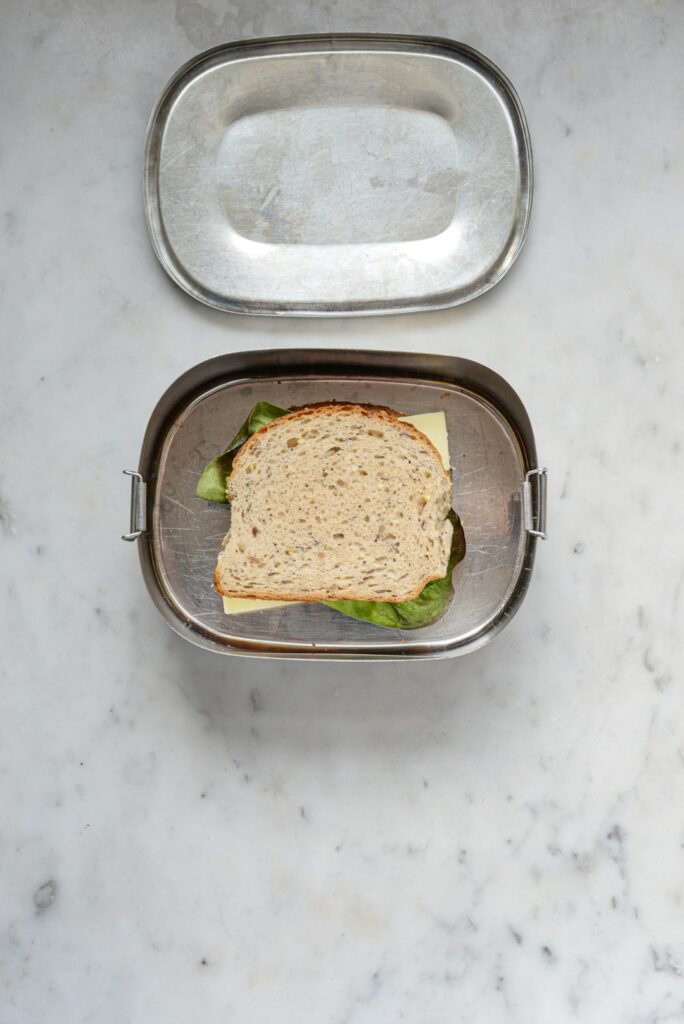
What Causes Sandwiches to Become Soggy or Stale Before Lunch?
Humidity, warm temperatures, and improper packing are the main culprits behind less-than-fresh sandwiches by noon. In New Smyrna Beach, the combination of high humidity and frequent warm conditions means extra care is needed to prevent bread from absorbing moisture and fillings from leaking. Both moisture from outside (like from a cooler packed with ice packs) and inside (like juicy vegetables) can quickly change the texture of bread and fillings.
Even in climate-controlled environments, local residents often notice bread becoming soft or rubbery by midday, especially if sandwiches are packed early in the morning. Stale textures can also result from exposure to air when sandwiches are not well sealed.
Which Bread Types Hold Up Best in the Local Climate?
Denser, crusty breads hold up better than softer sandwich loaves in the humid New Smyrna Beach climate. Breads such as baguettes, ciabatta, or rolls form a protective outer layer that helps shield fillings from outside moisture. Sliced sandwich bread, especially whole wheat or thin white, is more likely to soak up liquids and become soggy.
Residents who enjoy soft bread can improve results by toasting slices before assembly. This reduces surface moisture and creates a barrier that slows down absorption, while still allowing for a soft bite.
How Can You Layer Ingredients to Help Prevent Sogginess?
Creating a barrier between wet ingredients and bread is key. Start with drier or firmer components directly against the bread—think cheese, lettuce, or cold cuts. Place tomatoes, pickles, or sauces in the middle, not directly on the bread. In practice, local families often find success by assembling sandwiches like this:
- First layer: Cheese or leafy greens (like romaine or arugula)
- Middle: Protein and vegetables that don’t leak moisture
- Last: Juicy ingredients or any spreads (pack dressings and sauces separately if possible)
This approach slows down liquid migration, even after a few hours inside a lunchbox.
Are Certain Fillings Better for Lasting Freshness?
Some ingredients simply travel better under New Smyrna Beach conditions. Drier proteins such as sliced roasted chicken, turkey, or firm tofu perform well. Avoid very moist fillings like tuna salad or egg salad unless packed in a separate sealed container to be added just before eating.
Vegetables like cucumbers, tomatoes, and pickles are best either added at the last minute or wrapped separately. Roasted vegetables are less likely to leak than fresh ones, and leafier greens hold up better than spinach or field greens, which wilt quickly.
What Are the Best Ways to Pack a Sandwich for the Local Environment?
Plastic wrap, parchment paper, and reusable beeswax wraps all have local advocates. Each option solves unique issues faced by area residents:
- Plastic wrap clings tightly and holds in freshness but can cause soft bread when combined with ice packs in a cooler.
- Parchment paper lets sandwiches “breathe” a little, which helps with crispy breads, but may not seal in as much moisture for longer storage.
- Reusable beeswax wraps strike a balance: they repel exterior moisture but allow some airflow to prevent sogginess.
Sandwiches packed in airtight containers stay fresher when an absorbent paper towel is placed beneath them—a trick popular among local parents, especially during the summer months.
Should You Refrigerate or Use an Ice Pack, and How Does This Affect Freshness?
Chilling is usually safer for food safety, especially for meat and dairy. However, over-chilling can change the texture, making bread denser or even gummy as it absorbs condensation. In New Smyrna Beach, sandwiches brought to the beach or on picnics should definitely stay cool, but locals often let them come to room temperature before eating.

If possible, avoid direct contact between the sandwich and ice packs—place a towel or thin layer in between. This keeps the bread from absorbing condensation and breaking down.
Are There Local Packing Habits or Seasonal Factors to Consider?
In the warmer months, early morning assembly is common. To reduce the time sandwiches spend at room temperature, some area households prefer to prep ingredient components at night and assemble everything in the morning. During peak summer humidity, many families in the city opt for “deconstructed” sandwiches—packing components (bread, protein, vegetables) separately and combining them during lunch.
Residents also report greater success with whole-grain breads and rolls during rainy season, as these tend to resist moisture better than white sandwich bread.
How Can You Keep Warm Sandwiches Fresh for Lunch?
Occasionally, residents in the city want to bring a grilled or toasted sandwich for lunch. The key is to let it cool to room temperature before wrapping it up. Wrapping a hot sandwich traps steam, which softens bread and promotes sogginess. Instead, allow any hot fillings to cool, then pack in parchment or foil for short-term storage.
Warm sandwiches held in insulated containers tend to taste fresher if eaten within a few hours rather than later in the day. Some locals start with a slightly under-toasted bread, so it finishes with a pleasant chew at lunchtime.
Common Packing Missteps to Avoid
Even with careful planning, a few easy mistakes can lead to disappointment:
- Wrapping warm sandwiches before cooling
- Placing juicy vegetables directly against bread
- Using only plastic wrap in combination with ice packs
- Overfilling sandwiches, causing leakage from corners
- Not sealing containers fully, allowing the sandwich to dry out
By adjusting layering, bread choice, and packing method, residents across the community can routinely enjoy fresh, satisfying sandwiches at lunchtime, whether at the beach, work, or school.